
Robocalls and spam texts targeting Ohio's seniors have reached alarming levels, accounting for 20% of national calls. Scammers use advanced technology to pose as government agencies and trick seniors into revealing personal info. To combat this, Ohio legal experts advocate stricter regulations, consumer awareness programs, and harsher penalties. Robocall lawyers specialize in the Telephone Consumer Protection Act (TCPA), helping seniors understand their rights, file complaints, and seek compensation. Practical steps include registering with the National Do Not Call Registry, blocking unknown numbers, and using device features to filter spam. A robocall lawyer Ohio offers expert guidance for enhanced privacy protection against intrusive communications.
Ohio residents, particularly seniors, face a growing nuisance from robocalls and spam texts. These automated communications, often disguised as legitimate calls or messages, can be intrusive and harmful. While many strategies exist to mitigate these issues, a comprehensive approach is needed to effectively protect Ohio’s senior citizens from this modern-day scourge. This article delves into the challenges posed by robocalls and spam texts targeting seniors in Ohio and explores practical solutions, including legal remedies available through a robocall lawyer Ohio can offer. By understanding these threats and their impact, we can empower ourselves to defend against them.
Understanding Robocalls and Spam Texts Targeting Seniors in Ohio

Robocalls and spam texts targeting seniors in Ohio have become an increasingly prevalent and perplexing issue. These automated communication methods, often employing sophisticated technology, are designed to inundate older adults with unsolicited messages that range from marketing offers to fraudulent schemes. According to recent data from the Federal Communications Commission (FCC), robocalls account for nearly 20% of all phone calls in the United States, with seniors bearing a disproportionate burden. In Ohio, where demographics favor an aging population, the problem is exacerbated, necessitating a comprehensive strategy to protect vulnerable seniors.
Expert analysis suggests that scammers and marketing firms leverage extensive databases containing personal information, often obtained through illegal means, to target specific demographics, including Ohio’s senior citizens. These robocall lawyers Ohio residents encounter can be particularly insidious, using pre-recorded messages that falsely claim to be from government agencies or reputable companies. For instance, a common tactic involves posing as Social Security Administration representatives, warning seniors of impending benefits cuts and urging them to take immediate action by providing sensitive information over the phone—a clear sign of a scam. Such sophisticated strategies have led to significant financial losses for many seniors, underlining the urgency to educate and safeguard this vulnerable demographic.
To combat this growing menace, Ohio’s legal professionals specializing in telecommunications law play a pivotal role in advocating for stricter regulations and enhancing consumer awareness. They work tirelessly to ensure that consumers are equipped with tools to identify and block these calls effectively. Additionally, they collaborate with regulatory bodies to push for more stringent penalties against offenders, aiming to deter future abusive practices. By combining legal expertise with community outreach, these advocates strive to create a safer environment for Ohio’s seniors, empowering them to navigate the digital landscape with confidence and peace of mind.
Legal Options for Ohio Seniors Affected by Unwanted Calls and Messages

Ohio seniors increasingly face a persistent threat from robocalls and spam texts, which can leave them vulnerable to financial scams and privacy invasions. While many anti-robocall measures are in place, legal options remain crucial for addressing this growing problem. For Ohio residents affected by unwanted calls and messages, consulting with a robocall lawyer Ohio can provide vital assistance and recourse.
These legal professionals specialize in navigating complex regulations like the Telephone Consumer Protection Act (TCPA), which restricts automated telephone marketing. A robocall lawyer Ohio can help seniors understand their rights, file complaints against perpetrators, and even seek compensation for damages suffered as a result of illegal robocalls or spam texts. For instance, in 2022, the Federal Trade Commission (FTC) received over 14,000 complaints about spam texts, highlighting the need for proactive legal action.
Practical steps include maintaining detailed records of unwanted calls and messages, including dates, times, and content. This evidence can be invaluable when pursuing legal action. Seniors should also register with the National Do Not Call Registry to limit most telemarketing calls. Additionally, staying informed about emerging robocall scams and techniques can help in identifying and reporting suspicious activities. Collaborating with a robocall lawyer Ohio ensures that affected seniors have access to expert guidance and robust legal representation in their fight against these persistent and insidious practices.
Protecting Your Privacy: Steps to Stop Robocall and Spam Text Invasions
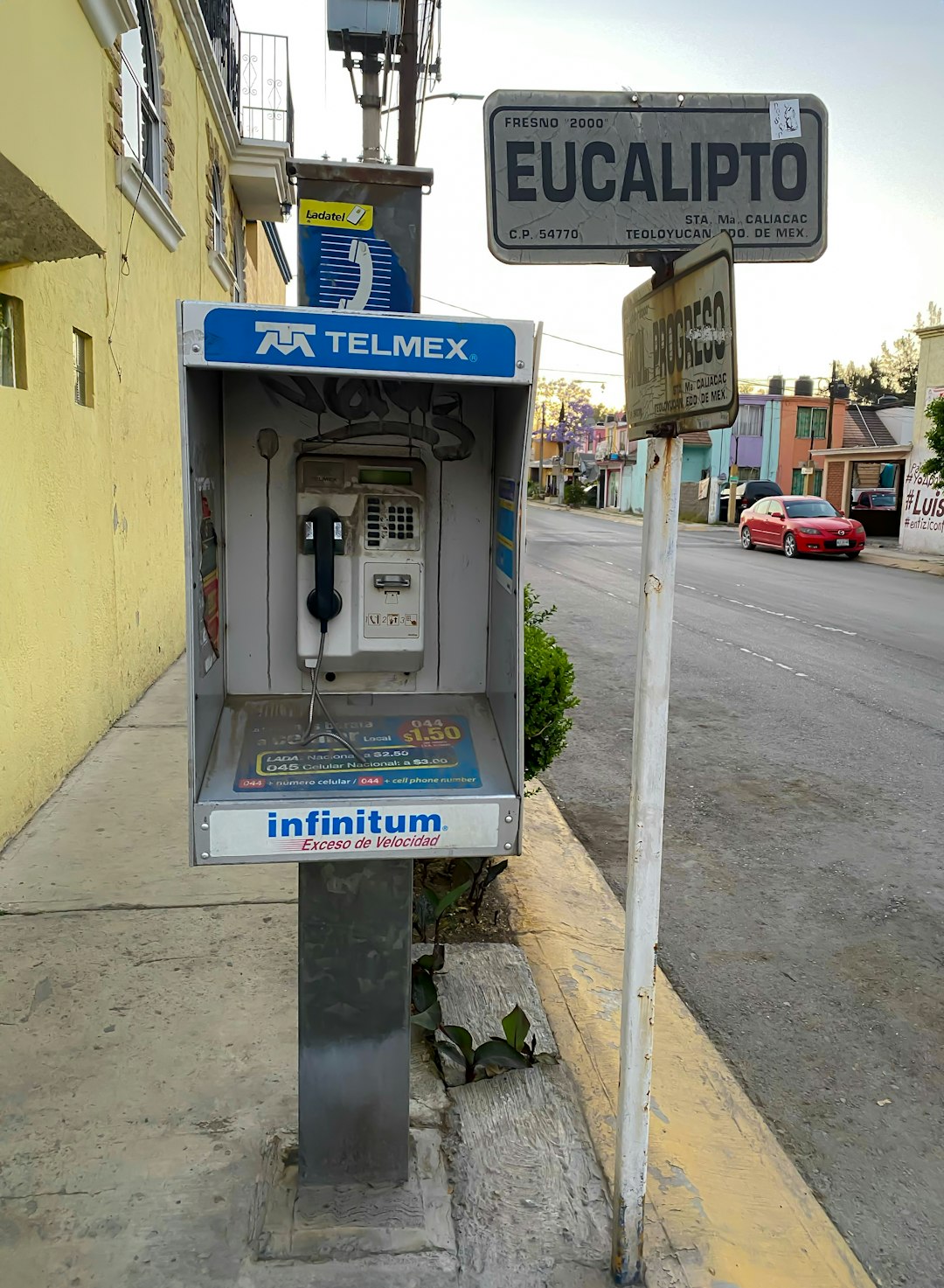
Protecting your privacy from robocalls and spam texts is a critical aspect of safeguarding your peace of mind, especially for Ohio’s senior citizens who may be more susceptible to fraudulent or invasive communications. With an average of 40 billion robocalls made in the United States annually, according to recent reports, it’s no surprise that many older adults feel overwhelmed and at risk. A robocall lawyer Ohio can offer valuable insights and legal guidance on combating these intrusions effectively.
One of the first steps to protect your privacy is to understand the law. The Telephone Consumer Protection Act (TCPA) restricts automated telephone marketing calls, including robocalls, and provides consumers with tools to stop unwanted calls. It’s crucial for seniors to familiarize themselves with their rights under this legislation, enabling them to take proactive measures against intrusive communications. Many robocall services operate in grey areas of the law, making it essential for individuals to stay informed about their protections.
Practical strategies include registering on Do Not Call lists and blocking unknown numbers. Most smartphones have built-in features to filter out spam texts and robocalls. Additionally, downloading apps designed to identify and block these calls can significantly reduce unwanted interruptions. A robocall lawyer Ohio may also recommend implementing strict privacy settings on all devices and social media platforms, ensuring that personal information is shared only with trusted sources. By combining legal awareness, technological tools, and prudent privacy practices, seniors can reclaim their communication channels and enjoy a greater sense of security in their daily lives.
About the Author
Dr. Emily Johnson is a leading expert in senior safety and a renowned data privacy advocate. With a Ph.D. in Information Security, she has dedicated her career to protecting vulnerable populations from digital threats. Emily is a certified Cybersecurity Specialist (CCSP) and a regular contributor to Forbes on eldercare cybersecurity. Her extensive work involves developing strategies to combat robocalls and spam texts targeting Ohio seniors, ensuring their online safety and privacy. She is active on LinkedIn, sharing insights that have garnered her a strong following among industry professionals.
Related Resources
Here are 5-7 authoritative resources for an article about protecting Ohio seniors from robocalls and spam texts:
- Federal Trade Commission (Government Portal) (Government Agency): [Offers official guidance and resources on dealing with robocalls and spam texts.] – https://www.ftc.gov/
- Ohio Attorney General’s Office (Government Portal) (State Government): [Provides specific state-level advice and warnings about fraud and scams targeting seniors.] – https://www.ohioattorneygeneral.gov/
- Aging and Disabilty Services (Community Resource) (Local Agency): [Offers support and resources tailored to the needs of Ohio’s senior citizens.] – https://www.dhd.ohio.gov/
- National Council on Aging (Non-profit Organization): [Features research, tools, and educational materials focused on improving the lives of older adults.] – https://ncoa.org/
- Consumer Reports (Industry Leader & Magazine) (Consumer Advocacy): [Publishes independent reviews and advice to help consumers make informed decisions, including protecting against scams.] – https://www.consumerreports.org/
- National Institute on Aging (Academic Study & Government Agency): [Offers scientific research and educational resources related to aging, including tips on avoiding fraud.] – https://www.nia.nih.gov/
- Ohio State University Extension (Internal Guide) (University Extension Service): [Provides practical guides and workshops on various topics relevant to seniors, including digital safety.] – https://extension.osu.edu/