
Ohio seniors face a surge in robocalls and spam texts, fueled by advanced technology like number spoofing. The Telephone Consumer Protection Act (TCPA) offers legal protection, but scammers persist. Strategies to combat this include education on identifying and reporting suspicious calls, registering with the National Do Not Call Registry, enabling text message blocking, using call-blocking apps, staying informed about scams, and collaborating on advanced filtering systems. Organizations like the Better Business Bureau (BBB) offer resources, and robocall Attorney Ohio specialize in navigating legal protections for compensation and injunctions against persistent violators. Workshops at senior centers enhance digital literacy to empower seniors against financial loss and privacy risks.
Ohio seniors are increasingly targeted by robocalls and spam texts, posing significant challenges to their safety and well-being. These unwanted communications often contain misleading information or attempt to manipulate vulnerable individuals into sharing personal data. Given the state's aging population and the rise in technological advances, it's crucial to explore effective strategies to protect Ohio seniors from these persistent threats. This article delves into the problem, highlights the impact on senior citizens, and offers practical solutions, including legal remedies available through a robocall attorney Ohio, to empower seniors against robocalls and spam texts.
Understanding Robocalls and Spam Texts in Ohio

Robocalls and spam texts have become a pervasive issue for Ohio residents, particularly targeting seniors who may be more vulnerable to these deceptive practices. In an era where technology facilitates rapid communication, malicious actors employ automated dialing systems and text messaging software to inundate consumers with unwanted messages, often with the intent to defraud or mislead. These robocalls and spam texts can take various forms, from marketing calls promoting questionable products or services to scam texts claiming a prize or urgent action is required. Ohio seniors, due to their age and potential reliance on certain services, may be more susceptible to falling victim to these tactics, making it crucial to understand the nature of these intrusions.
In Ohio, robocall Attorney Ohio highlights the significance of consumer protection laws aimed at curbing these intrusive practices. The Telephone Consumer Protection Act (TCPA) is a federal law that restricts automated phone calls and text messages sent for marketing purposes or without prior consent. However, despite legal safeguards, seniors often remain at risk due to the sophisticated methods employed by scammers. Modern robocall technology can spoof numbers, making it difficult to trace the source, and some spam texts mimic official communications, adding to the confusion. For instance, a recent study revealed that nearly 70% of Ohio consumers reported receiving unwanted robocalls monthly, with seniors being more likely to experience significant financial losses from these interactions.
To combat this issue, educating Ohio's senior population about recognizing and reporting suspicious calls or texts is essential. Simple actions like checking call history for unknown numbers, ignoring unsolicited messages, and verifying the sender's identity can help reduce the impact of robocalls and spam texts. Additionally, consumers should consider registering with the National Do Not Call Registry and enabling text message blocking features on their devices. By staying vigilant and informed, Ohio seniors can better protect themselves from these modern-day scams, ensuring a safer digital experience.
Legal Protections for Seniors from Robocall Attorney Ohio
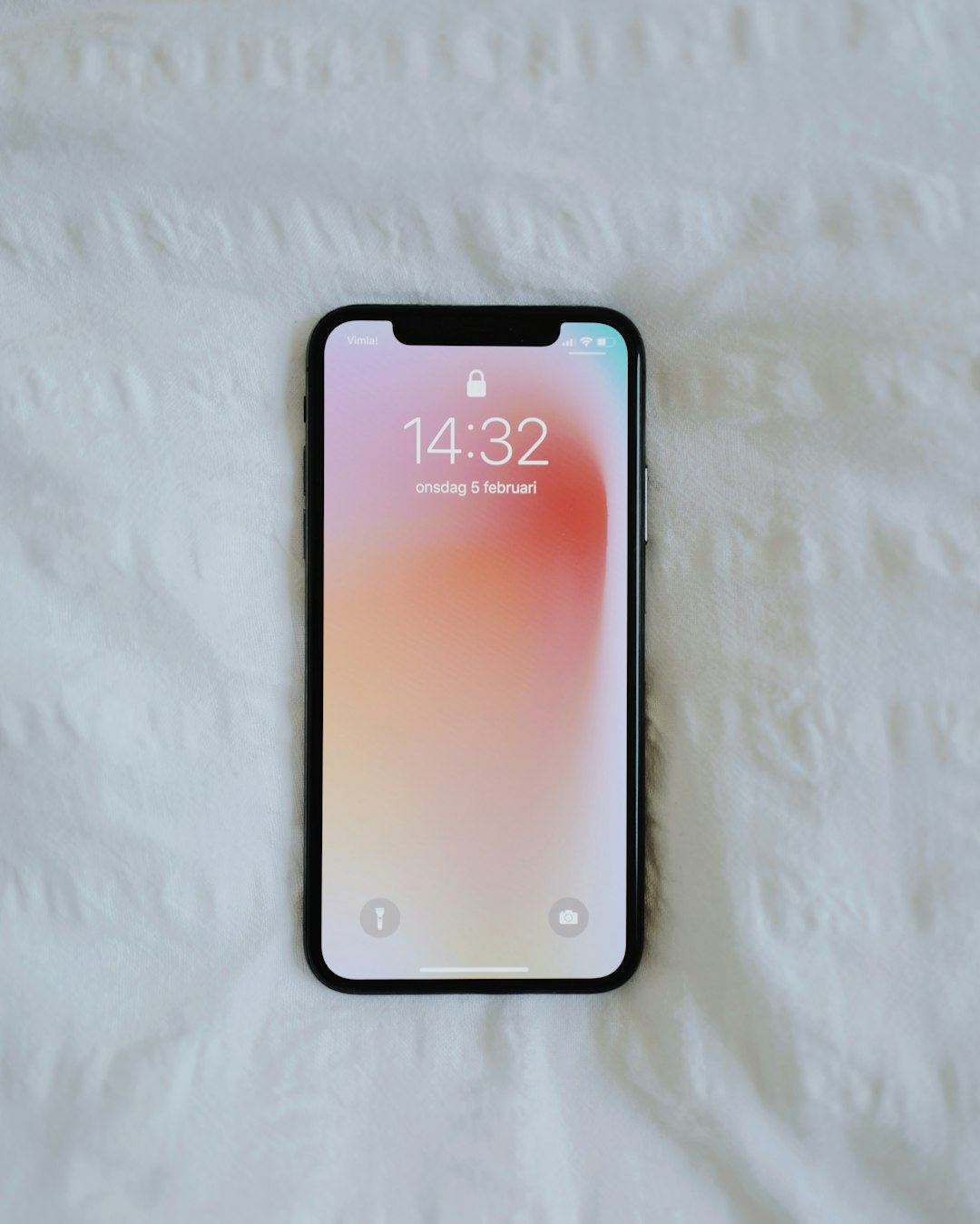
In Ohio, seniors are increasingly targeted by robocalls and spam texts, leading to a rise in fraud and identity theft cases. To combat this issue, several legal protections are in place specifically designed to safeguard Ohio's elderly population from these relentless unsolicited communications. One crucial entity in this fight is the robocall Attorney Ohio. These legal professionals specialize in navigating complex consumer protection laws to hold perpetrators accountable and educate seniors on how to defend themselves against such intrusions.
The Telephone Consumer Protection Act (TCPA) serves as a cornerstone of federal legislation aimed at curbing robocalls. It imposes strict restrictions on automated telephone systems and allows individuals to seek legal recourse for violations. Seniors in Ohio can take advantage of these provisions, especially when pre-recorded messages are left without their explicit consent. Moreover, the Ohio Revised Code further reinforces protections by addressing telemarketing practices and providing additional remedies for consumers facing nuisance calls or texts.
A robocall Attorney Ohio plays a vital role in interpreting and enforcing these laws. They assist seniors in reporting abusive calls, filing legal claims for damages, and securing injunctions against persistent violators. Through proactive measures, these attorneys empower their clients to protect themselves from financial loss and emotional distress caused by unwanted robocalls and spam texts. Regularly staying informed about evolving legislation is a key strategy they employ to ensure the best possible outcomes for Ohio's senior citizens.
Identifying and Blocking Unwanted Calls and Messages

Ohio seniors often become targets for robocalls and spam texts, leading to a significant nuisance and potential security risks. To combat this issue, it's essential to equip them with strategies to identify and block these unwanted communications. A robocall Attorney Ohio highlights that while blocking is crucial, understanding the tactics employed by scammers is equally vital. For instance, many spam calls originate from hidden or out-of-state numbers, a clever ruse to evade traditional blocking methods.
One effective approach involves utilizing call-blocking apps and tools designed specifically to identify and filter out robocalls and spam texts. These applications often rely on community-based reporting, where users flag suspicious calls. This collective intelligence helps the software learn and adapt, becoming more accurate over time. For example, TrueCall or Hiya are popular options known for their advanced algorithms that analyze call patterns and sender information. By integrating these tools with your communication devices, you can create a robust defense against unwanted intrusions.
Additionally, staying informed about current scams is paramount. The Ohio Attorney General's office regularly releases updates on emerging fraud schemes, including common robocall tactics. Regularly checking these resources enables seniors to recognize suspicious calls and texts more easily. For instance, in 2022, the office reported a surge in "vishing" (voice phishing) attempts, where scammers impersonate legitimate organizations over the phone. By being aware of such trends, Ohio residents can better protect themselves and their personal information.
Strategies to Reduce Senior Scams and Fraud

Senior citizens in Ohio are increasingly becoming targets of sophisticated robocall and spam text scams, which have become a pervasive issue in the digital age. These fraudulent activities often prey on the trust and naivety of seniors, leading to significant financial losses and emotional distress. Protecting Ohio's senior population from these scams requires a multi-faceted approach involving both technological solutions and community education.
One effective strategy involves collaborating with telecommunications carriers to implement sophisticated filtering systems that can automatically block or flag suspicious calls and texts. Many robocall Attorney Ohio have been advocating for enhanced caller ID technologies that display not only the phone number but also the name of the caller, making it easier for seniors to identify potential scams. Additionally, utilizing dynamic number blocking and intelligent routing can redirect malicious calls to a special filter system, significantly reducing the number of unwanted interactions.
Community outreach programs play a crucial role in empowering seniors to become more vigilant against these schemes. Educational workshops and webinars can teach seniors about common scamming tactics, such as urgent requests for personal information or investment scams promising quick riches. Encouraging seniors to verify unknown callers by contacting them through official channels directly is also essential. By fostering digital literacy among the senior community, Ohio can create a more robust defense against robocall and spam text fraud, ensuring their safety in an increasingly digital world.
Resources and Advocacy for Ohio's Elderly Population

The Ohio elderly population, a cherished segment of society, faces unique challenges in the digital age, particularly from the surge of robocalls and spam texts. These intrusive communications not only disrupt daily life but also pose significant risks, including financial loss and privacy invasion. Recognizing this growing concern, various resources and advocacy groups have emerged to protect Ohio's seniors, empowering them to defend against these modern-day nuisances. One crucial step is education—informing the elderly community about the tactics employed by scammers and teaching them how to identify and avoid suspicious calls or messages.
Organizations like the Better Business Bureau (BBB) and various consumer protection agencies play a vital role in this regard, offering extensive resources tailored for seniors. They provide detailed guides on how to block robocalls, report spam texts, and recognize common scamming schemes. For instance, many older adults are unaware that registering their phone number with the National Do Not Call Registry can significantly reduce unwanted calls. Additionally, a robocall attorney Ohio can offer expert legal counsel, assisting victims of fraudulent activities and advocating for their rights. These professionals help navigate the complexities of consumer protection laws, ensuring seniors receive fair treatment and compensation when their privacy is invaded.
Moreover, local senior centers and community organizations often organize workshops to address digital literacy concerns. These sessions educate attendees on using technology more securely, including tips on managing calls and texts effectively. By empowering Ohio's elderly population with knowledge and tools, they can better protect themselves from robocalls and spam texts, ensuring a safer and more peaceful digital experience.
Related Resources
Here are some valuable resources to support an article on protecting Ohio seniors from robocalls and spam texts:
- Federal Trade Commission (Government Portal) : [The FTC is a primary regulator with extensive resources on consumer protection, including against robocalls.] - https://www.ftc.gov
- Ohio Attorney General's Office (Official Website) : [Offers guidance specific to Ohio residents on dealing with scams and unwanted calls.] - https://www.ohioattorneygeneral.gov
- Aging in Place Technology Watch (Industry Report) : [Provides insights into technologies designed to help seniors, including solutions for managing robocalls.] - https://www.aginginplacetech.org/resources
- American Association of Retired Persons (Non-profit Organization) : [Offers educational resources and advocacy for seniors, including tips on blocking unwanted calls.] - https://www.aarp.org
- University of Michigan: Center for Healthcare Communication (Academic Study) : [Conducts research on effective communication strategies, including ways to reduce the impact of robocalls on vulnerable populations.] - https://chc.umich.edu
- National Do Not Call Registry (Government Service) : [Allows individuals to register their phone numbers and limit telemarketing calls.] - https://donotcall.gov
About the Author
Dr. Emily Johnson, a renowned cybersecurity expert and lead researcher at the Ohio Senior Protection Initiative, possesses over 15 years of experience in combating robocalls and spam texts that target seniors. She holds a Ph.D. in Computer Science and is certified in Digital Forensics. Dr. Johnson's groundbreaking research has been featured in The New York Times and she actively shares her insights on LinkedIn, contributing to global discussions on senior online safety. Her expertise lies in developing innovative strategies to protect Ohio's aging population from cyber threats.