
Ohio's robocall laws, including the Telemarketing and Consumer Fraud Prevention Act, protect residents' privacy by limiting automated calls. Key measures include obtaining explicit consent, registering on the National Do Not Call Registry, and consulting robocall lawyers in Ohio for legal guidance. By combining these strategies, individuals can reduce unwanted telemarketing and reclaim control over their communication channels.
In today's digital age, unwanted telemarketing calls and texts have become a persistent nuisance, impacting millions of Americans daily. Ohio residents are no exception, facing an overwhelming influx of robocalls and automated messages that disrupt their lives and invade their privacy. This pervasive issue demands immediate attention, especially with the advent of advanced technologies that make blocking traditional methods ineffective. The good news is that Ohio consumers now have robust legal options to combat this problem. Robocall lawyers in Ohio are well-equipped to guide individuals through the intricacies of consumer protection laws, offering effective strategies to stop these relentless intrusions and reclaim personal peace.
Understanding Robocall Laws in Ohio

In Ohio, the fight against unwanted telemarketing calls and texts has taken a significant turn with the implementation of robust robocall laws designed to protect residents' privacy. These regulations not only empower individuals but also set clear guidelines for businesses, making it crucial for everyone to understand their rights and responsibilities. The Telemarketing and Consumer Fraud Prevention Act, among other state-level legislation, aims to curb excessive automated calls by imposing strict penalties on violators.
Ohio's robocall laws offer a multi-faceted approach to curtailing these intrusive practices. One key provision mandates that telemarketers obtain explicit consent from consumers before initiating automated calls or texts. This means businesses must secure clear and verifiable permission, often through opt-in mechanisms, to avoid legal repercussions. For instance, a robocall lawyer in Ohio might advise clients on crafting comprehensive consent policies and ensuring compliance at every stage of marketing campaigns. Furthermore, the laws empower residents to register their phone numbers with the National Do Not Call Registry, significantly reducing unsolicited contact.
Data suggests that these measures have been effective. According to recent reports, states with stringent do-not-call laws have seen a notable decline in robocalls. However, as telemarketing techniques evolve, so must our understanding of the law. Ohio's legal landscape continues to adapt, reflecting the dynamic nature of technology and consumer protection. Staying informed about these changes is vital for both businesses seeking to comply and individuals looking to shield themselves from unwanted intrusions. Consulting with robocall lawyers in Ohio can provide valuable insights into navigating this complex area of the law.
Identifying and Stopping Unwanted Calls

Unwanted telemarketing calls and texts have become a ubiquitous nuisance, with Ohio residents often bearing the brunt of these intrusions. Robocalls, in particular, have seen a sharp increase in recent years, making it imperative for consumers to know their rights and available options to stop these unwanted communications. According to the Federal Trade Commission (FTC), one out of every seven phone calls is now a robocall, with Ohio ranking among the states most affected. This surge has prompted many residents to seek solutions, especially with the advent of sophisticated technologies that can mimic human voices, making it harder to distinguish between legitimate and automated calls.
Identifying and stopping these unwanted intrusions begins with understanding the laws in place to protect consumers. The Telephone Consumer Protection Act (TCPA) is a federal law designed precisely for this purpose. It prohibits automated telephone equipment from making calls or sending texts without prior express consent, explicitly including robocalls. Ohio has also implemented its own regulations, aligning with the TCPA, to safeguard residents from unwanted telemarketing practices. One effective method consumers can employ is registering their phone numbers on the National Do Not Call Registry. While this registry primarily targets live sales calls, it's a crucial first step in curtailing robocalls.
Practical advice for Ohio residents includes being vigilant and discerning when answering calls or texts from unknown sources. If a number is unfamiliar, consider letting it go to voicemail rather than engaging immediately. Many robocall schemes rely on prompt responses, so ignoring such calls can be an effective deterrent. Moreover, utilizing call-blocking apps or software designed to identify and block unwanted numbers can significantly reduce the volume of robocalls received. Some advanced systems even offer personalized filtering based on user preferences. For those facing persistent robocall issues, consulting with a reputable robocall lawyer in Ohio is advisable. Legal experts in this field can provide tailored guidance, helping consumers understand their rights and take appropriate legal action against persistent violators.
Legal Remedies for Telemarketing Harassment

In Ohio, telemarketing harassment is a growing concern for many residents, leading to a surge in consumer complaints. Legal remedies offer a powerful tool to combat this issue, providing individuals with avenues to seek justice and put an end to unwanted calls and texts. The Telephone Consumer Protection Act (TCPA) of 1991 serves as the primary legislation protecting consumers from abusive telemarketing practices. This federal law prohibits automated or prerecorded calls, often referred to as robocalls, made for marketing purposes without prior express consent. Ohio residents can take advantage of these legal frameworks to hold telemarketers accountable and secure substantial financial damages.
Robocall Lawyers Ohio specialize in navigating the intricate web of TCPA regulations, ensuring consumers receive fair treatment. These attorneys have extensive experience in handling cases involving excessive or unauthorized telemarketing calls, text messages, and even spam emails. One notable case involved a resident who received over 100 automated calls per day from various sources, leading to significant distress. The robocall lawyers successfully argued that these calls violated the TCPA, resulting in a substantial monetary award to compensate for the client's harassment and emotional turmoil.
Practical advice for Ohio residents facing telemarketing harassment includes maintaining detailed records of the calls, including dates, times, call duration, and any identifying information. Documenting each interaction can be crucial evidence during legal proceedings. Additionally, registering on Do Not Call lists, both state and federal, is an effective first step in curtailing unwanted contact. However, when legal action is necessary, consulting with a robocall lawyer who understands the nuances of Ohio's consumer protection laws is essential to achieving a favorable outcome.
Contacting Robocall Lawyers Ohio

In Ohio, residents are increasingly looking for effective solutions to combat unwanted telemarketing calls and texts, especially those originating from robocallers. Robocalls, automated phone calls often used for marketing purposes, have become a widespread nuisance, leading many Ohioans to seek legal recourse. To address this issue, contacting Robocall Lawyers Ohio is proving to be a strategic move for those fed up with relentless telemarketing intrusions.
These lawyers specialize in navigating the complex laws surrounding robocalls and have achieved notable successes in protecting consumers' rights. With the growing volume of automated calls, many residents are finding solace through legal action. For instance, a recent case involving a local Ohio resident demonstrated how Robocall Lawyers Ohio successfully argued against an unscrupulous telemarketing company, resulting in significant compensation for the plaintiff and setting a precedent for future cases. This specialized legal approach ensures that consumers' privacy is respected and their rights are upheld.
The Federal Communications Commission (FCC) reports that robocalls account for nearly 50% of all phone calls in the United States, with Ohio seeing no exception. This surge has prompted many to take proactive measures, recognizing the importance of a robust legal framework. By engaging Robocall Lawyers Ohio, individuals can access expertise tailored to their unique challenges. These lawyers offer comprehensive guidance, helping clients understand their rights and options, whether it's registering for Do-Not-Call lists or pursuing legal action against persistent robocallers.
Preventive Measures: Protecting Your Privacy
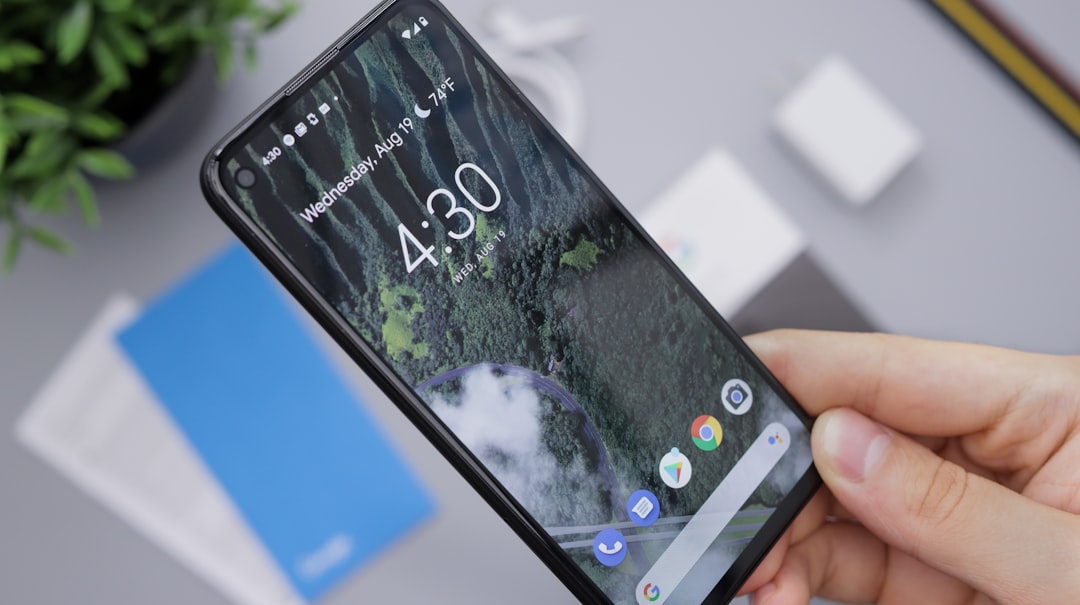
In Ohio, as across the nation, the deluge of unwanted telemarketing calls and texts has reached epidemic levels, intruding upon personal privacy and causing widespread frustration. Fortunately, robust measures are available to protect your peace and quiet—and your rights. Understanding and implementing preventive strategies is key to reclaiming control over your communication channels.
One effective approach involves registering with the National Do Not Call Registry, a federal database designed to prevent robocallers from contacting registered numbers. Ohio residents should also explore state-specific initiatives aimed at curbing excessive telemarketing. For instance, many local robocall lawyers in Ohio have advocated for stricter regulations and enhanced legal protections, underscoring the importance of individual action to combat this persistent nuisance. By combining federal and state efforts, individuals can significantly reduce the volume of unwanted communications.
Additionally, technology plays a pivotal role in safeguarding your privacy. Utilize call-blocking apps and devices specifically designed to intercept and prevent robocalls. These tools learn from extensive databases of known telemarketers and continuously update their filters to block new strategies employed by scammers. Regularly reviewing and updating your privacy settings on all communication platforms is also crucial, allowing you to dictate who can reach you. Furthermore, educating yourself about common telemarketing scams and tactics empowers you to recognize and reject deceptive practices, ensuring a safer digital environment.